

July 28, 2025
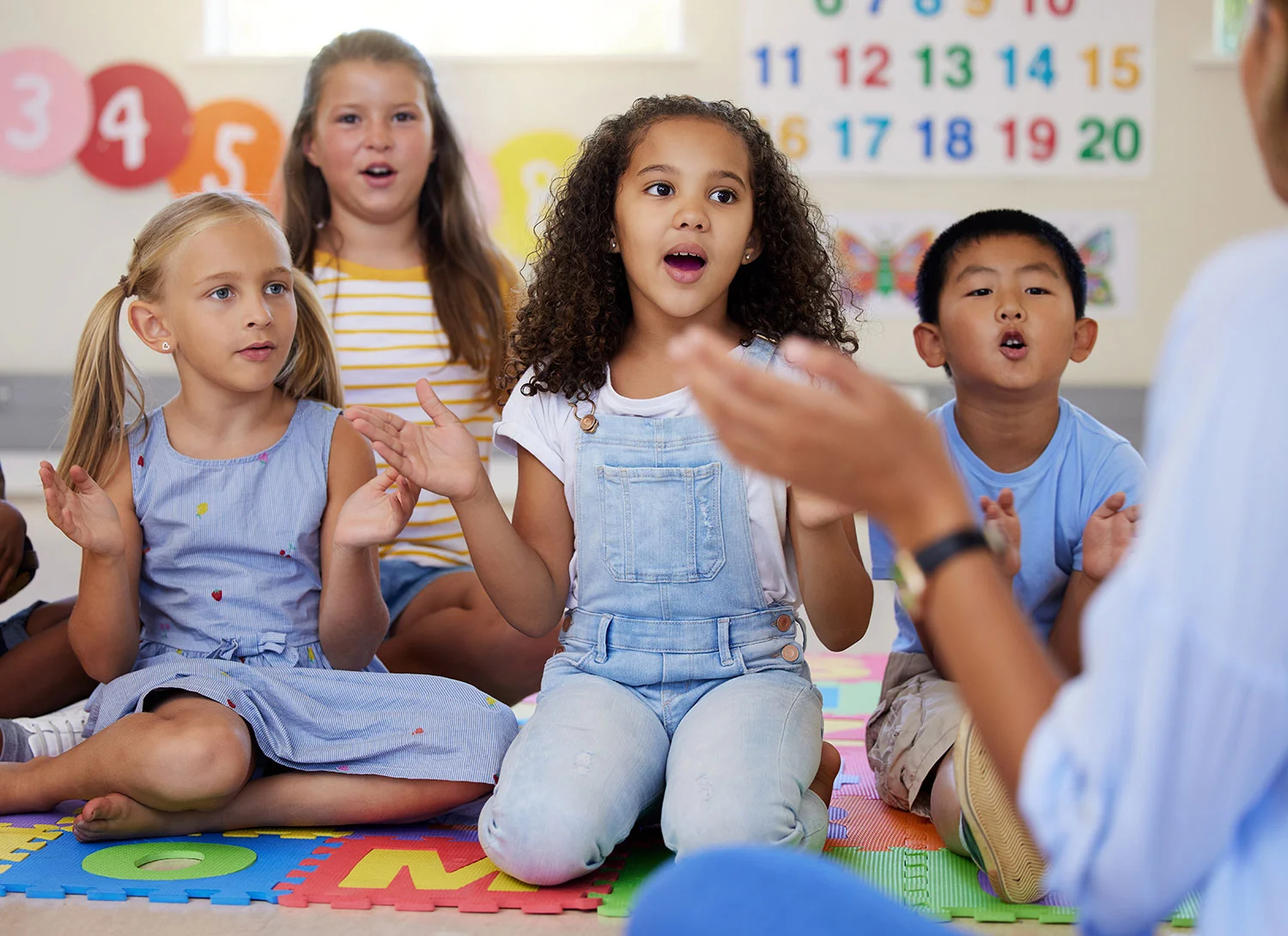
From lullabies whispered in Himalayan huts to ululations echoing across Moroccan mountainsides, the human voice is a profound instrument of culture, emotion, and identity. Long before instruments were carved or written music recorded, our voices carried the weight of stories, rituals, and connection. Across generations and geographies, vocal traditions reflect the soul of culture—a language of breath, tone, rhythm, and spirit.
Today, with digital platforms like Sound Infusion, learners and creators can explore global vocal techniques and compose with culturally diverse voices, bridging past and present, tradition and innovation.
The Voice as a Cultural Instrument
Unlike other instruments, the human voice is universal—accessible to every culture, adaptable to every need. Across the world, vocal styles are shaped by:
- Language and its rhythms, vowels, and inflections
- Geography, including nationality, from echoing deserts to humid rainforests
- Heritage, including tribal, ethnic or other cultural background
- Ritual, including prayer, celebration, mourning, and healing
- Universal demographic markers such as age, sex, gender, disability and social status
These factors give rise to an incredible diversity of vocal traditions, each carrying its own emotional vocabulary.
Examples of Vocal Traditions Across Cultures
✦ Tuvan Throat Singing (Central Asia)
A layered technique where singers produce multiple tones simultaneously—believed to mimic sounds of nature like wind, water, and animals.
- Used in shamanic rituals and storytelling
- Reflects harmony with the environment and spiritual realms
✦ Ululation (North Africa & Middle East)
A high-pitched trill created by a rapid movement of the tongue, often used by women during weddings, births, and celebrations.
- Symbolises joy, emotional release, and communal bonding
- Also used in mourning rituals with shifting vocal tones
✦ Native American Chant (North America)
Combines singing, breath patterns, and repetition to convey spiritual connection and ancestral memory.
- Integral to tribal ceremonies, healing rituals, and seasonal rites
- Often paired with drums and movement
✦ Mongolian Long Song
A slow, expansive singing style emphasising breath control and sustained notes—used in storytelling and celebration.
- Evokes the vastness of the steppe and nomadic life
- Often performed with horse-head fiddles or jaw harps
✦ Bulgarian Female Choir (Europe)
Characterised by tight harmonies, dissonance, and emotional power—used in rituals and folk storytelling.
- Reflects community strength, feminine energy, and seasonal rhythms
Sound Infusion: Bringing Global Voices into the Classroom
Sound Infusion allows learners to explore music as cultural experience, not just performance. While its instrument library focuses heavily on traditional sounds, educators and students can creatively incorporate vocal elements and symbolism into their compositions using:
- Ambient vocal samples tied to regions
- Instruments used to accompany singing traditions (e.g. djembe, tabla, gamelan)
- Compositional tools for layering voice-like textures, rhythms, and melodies
- Cultural maps and descriptions that explain how voice integrates into ceremonies and daily life
By combining global instrumental samples with vocal influence, Sound Infusion helps learners reconstruct some of the feel, meaning, and cultural context of vocal traditions—even if direct voice samples aren’t present.
Student Project Idea: “Sing the Story”
Objective: Students will research a cultural vocal tradition and create a composition that reflects its emotional and ritualistic meaning using Sound Infusion tools.
Steps:
- Choose a vocal tradition (e.g., throat singing, chant, ululation)
- Investigate its use in rituals, social settings, and cultural beliefs
- Use Sound Infusion to compose a musical piece using instruments from that region or style
- Optionally, include original vocals or spoken word layered over the composition
- Present with a reflection explaining the cultural connection and artistic choices
This empowers students to express heritage, emotion, and understanding through sound.
Vocal Fusion and Innovation
Vocal traditions can also inspire modern genres, where artists blend ancestral singing with contemporary production:
- Throat singing mixed with electronic ambient loops
- Gregorian chant over hip-hop beats
- Indigenous chanting blended with cinematic string arrangements
Sound Infusion supports this fusion by offering diverse samples that echo vocal environments—allowing students to experiment with voice-inspired compositions that respect tradition and celebrate innovation.
Emotional & Cultural Benefits of Exploring Global Voice Traditions
Studying and composing with cultural vocal inspiration nurtures:
- 🎵 Empathy: Listening deeply to how others express joy, grief, and ritual
- 🌐 Global awareness: Connecting voice traditions to geography and history
- 🧘 Mindfulness: Experiencing breath, tone, and vibration as emotional tools
- 🎨 Creative identity: Encouraging students to reflect on and express personal or ancestral emotion
Music becomes a mirror—reflecting not just technical skill, but emotional depth and cultural voice.
Inclusive Learning Through Vocal Storytelling
For neurodiverse or multilingual learners, voice-inspired composition offers:
- Non-verbal expression through sound design and symbolic layering
- Connection to oral tradition without needing written language
- Emotional regulation through rhythm and vocal tone exploration
- Creative freedom to personalise stories rooted in vocal heritage
Sound Infusion’s inclusive platform ensures that every student has a voice—even beyond language.
Singing Across Borders
Voice is the original instrument—and across cultures, it still serves as the most direct expression of emotion, tradition, and spirit. Whether whispered in ceremony or shouted in protest, sung in joy or mourned in grief, vocal traditions unite us as humans.
Through platforms like Sound Infusion, educators and students can rediscover these vocal legacies and compose music that honours, reflects, and reimagines them. By mixing regional instruments and voice-like textures, learners turn sound into story and stories into bridges.
Because when music is culture, our voices become maps—not of land, but of meaning.
About the author:
Share this Post