

November 25, 2025
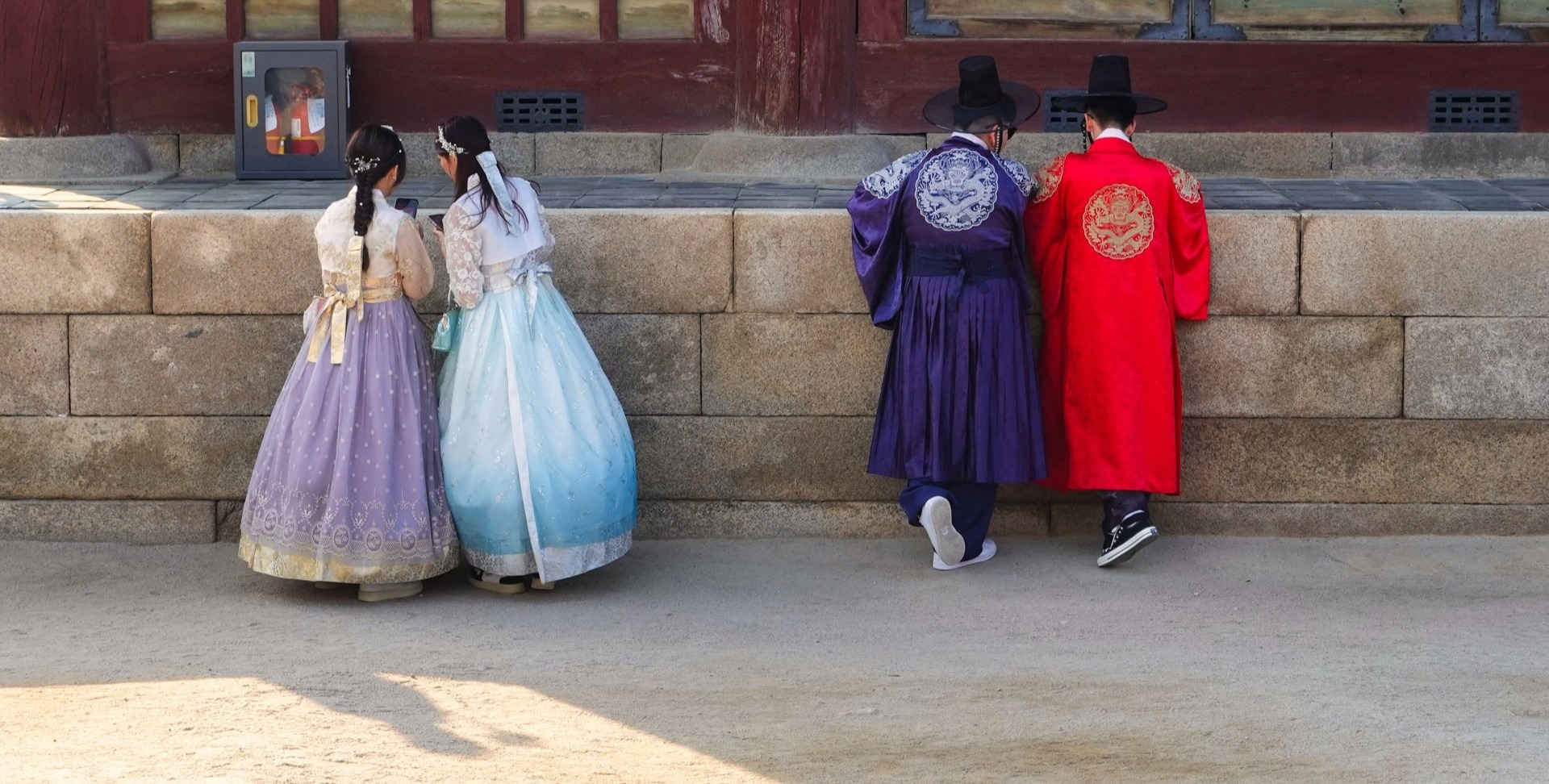
An article, ‘Music and Culture: Who Is Silenced Behind the K-Wave?‘ by Xia Cao, which we published in August 2025, discusses cultural appropriation in K-pop. We sought the following response from Yun Kim.
I have seen and read a lot of articles where the headlines start with ‘Chinese steal Korean television show concept entirely,’ ‘Chinese idols are mimicking Korean Idols and music style,’ and ‘Chinese people are arguing that Kimchi originated from China.’
As a Korean, and also as a post-90s, I am glad to join this discussion and share my perspective.
Countries like China, Korea and Japan are always facing this type of dispute, ‘Who is the real owner of the [something]?’ and I believe that this type of dispute will continuously be a controversial topic even in the next generations.
When I read Xia Cao’s article that talks about Korea taking mis-ownership indirectly throughout K-pop idols’ music videos without revealing the intellectual property / ownership where it originated from China, I feel it is not entirely accurate to frame the use of the word ‘Chinese elements’ in Korean idol music videos as appropriation or misrepresentation.
Of course, given K-pop’s global popularity and its huge influence on young fans worldwide, it’s important we present this issue carefully so as not to spread misleading impressions about culture in East Asia.
Asian countries’ cultural and historical elements have been intertwined for a long time. Therefore, from a cultural perspective, I believe it is a grey area to say these are entirely ‘Chinese elements’ without considering the shared historical context. For thousands of years, China, Korea, and Japan have been geographically and regionally close, politically intertwined, and culturally interdependent. Through exchange, trade, and even war, our cultures have continuously influenced, blended, and inspired one another.
This is why I find the word ‘borrowing,’ as used in the article, could be a bit controversial.
Elements such as ink-wash aesthetics, cloud motifs, knot designs, fan dances, and classical instruments are not the exclusive property of one nation, considering my real childhood experience of seeing them at Korean museums, media channels, and historical books. I believe that they have evolved through centuries of shared heritage – especially among these three countries – China, Korea and Japan.
It matters that very specific elements did originate in a specific country like China, but also I believe we need to be open to understanding that over centuries, these elements spread across Asia, with each country creating its own unique version.
Art and culture are always a bit of grey fields where inspiration is shared and elements are open to be adopted and emerge and evolve into unique versions, and this is not problematic as long as it is not stealing the whole entire idea in exactly the same way.
Given that the word ‘borrowing’ suggests a bit of negative meaning, the word ‘sharing’ or ‘inspiring’ could be more accurate.
Xia’s article raises significant awareness around how it is really important to present cultural and historical elements with caution and iterative inspection before launching it to the public, especially when global teenager audiences – who are more likely to get influenced by trends than adults – are going to be influenced by the impactful K-pop idols and celebrities. This statement applies not only to K-pop idols but to all the celebrities in the world and all the media channels, whenever creative industries and artwork are engaging with the public.
I wish all different artworks can continuously inspire others to create high-quality artworks that result in a sensational boom and trend, without causing risky disputes over copying, so that global audiences can enjoy a life full of entertainment and excitement while learning more about the aesthetics and differences of various countries’ cultures.
Let’s take a closer look at some of the shared elements and unique touches in East Asian culture. From the flowing brushstrokes of Korean, Japanese, and Chinese ink wash paintings to the elegant movements of fan dances, these traditions show both how cultures overlap and what makes each one special.
Check them out here:
- Korean Ink Wash Painting: Park Dae-sung’s Art
- Japanese Ink Wash Painting: Suibokuga – The Art of Japanese Ink Painting
- Chinese Ink Wash Painting: The Beauty, Philosophy, and Spirituality of Chinese Ink Wash
Fan Dances to Watch:
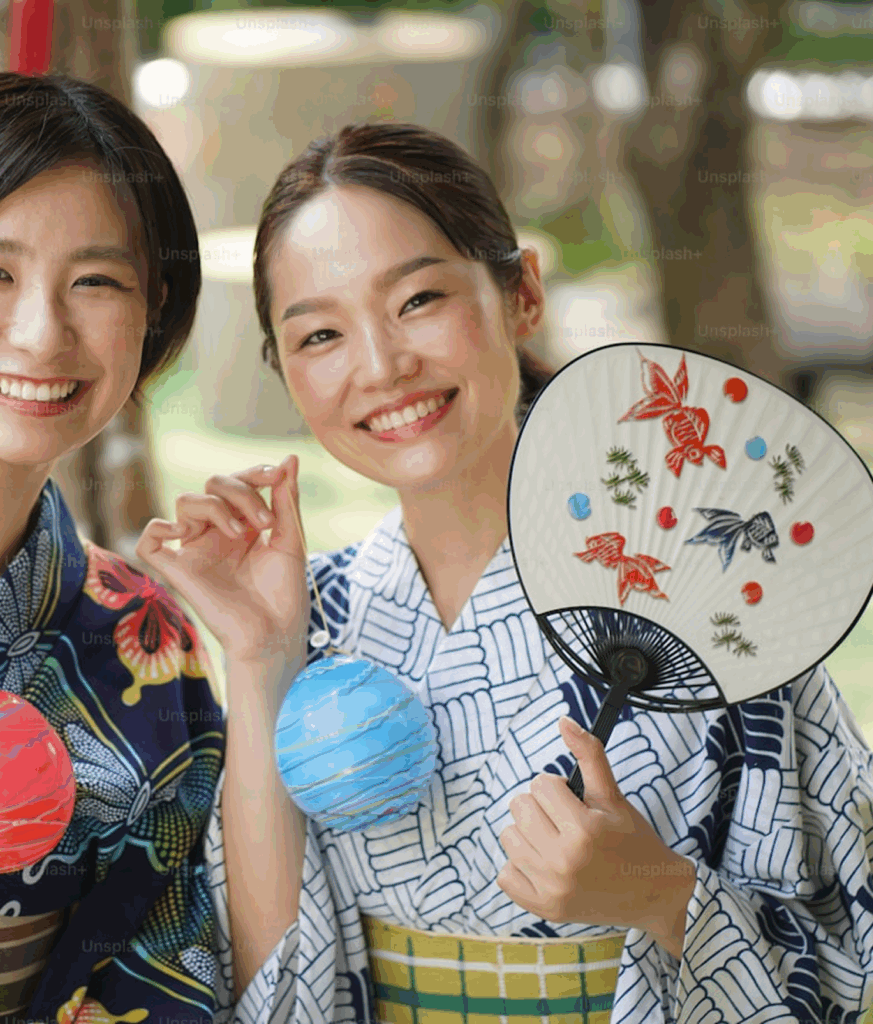
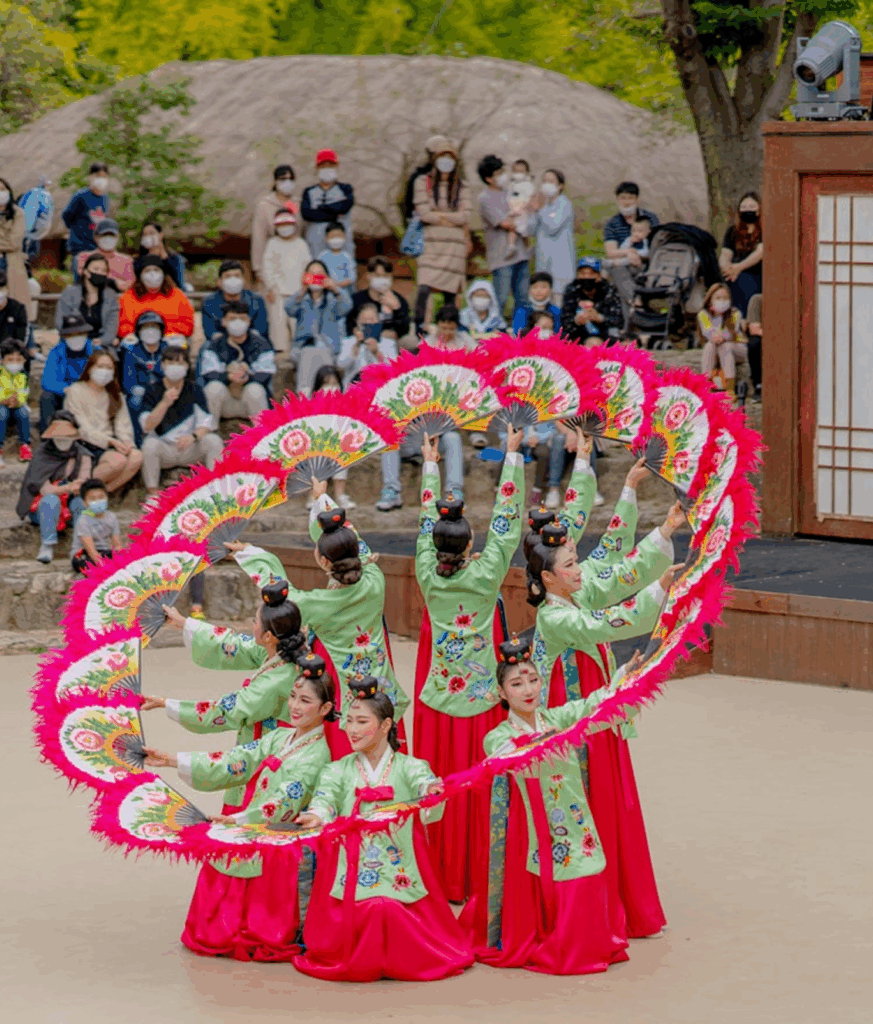
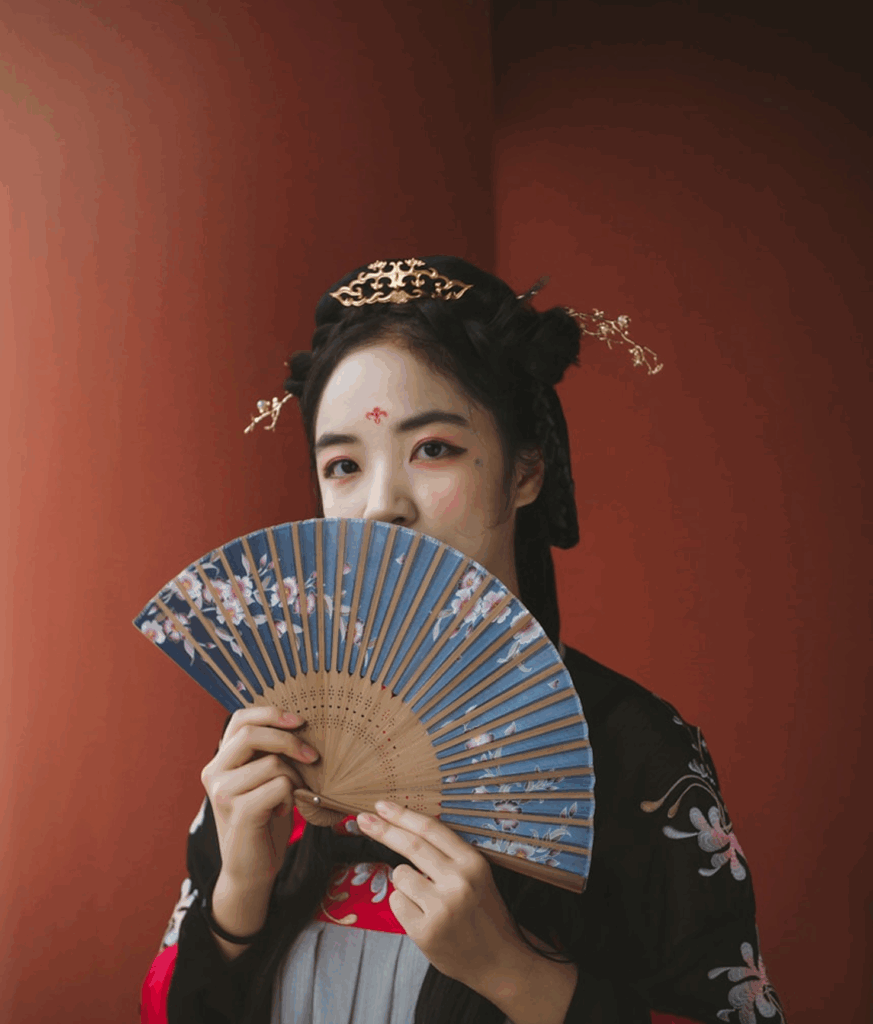
I hope these cultural elements – East Asian ink wash paintings and fan dances – give you a deeper appreciation for the beauty, creativity, and shared spirit that connect these cultures – while also celebrating what makes each tradition uniquely captivating.
About the author:
Share this Post